
Loading...
Serving San Mateo, CA and surrounding areas. (650) 865-1809
Custom San Mateo Masonry and Concrete is a licensed masonry contractor serving South San Francisco, CA with foundation repair, retaining wall construction, and concrete block walls. We work regularly on the postwar homes throughout SSF - from the dense flatland streets near downtown to the hillside lots climbing above the city - and have served the San Mateo Peninsula since 2017.
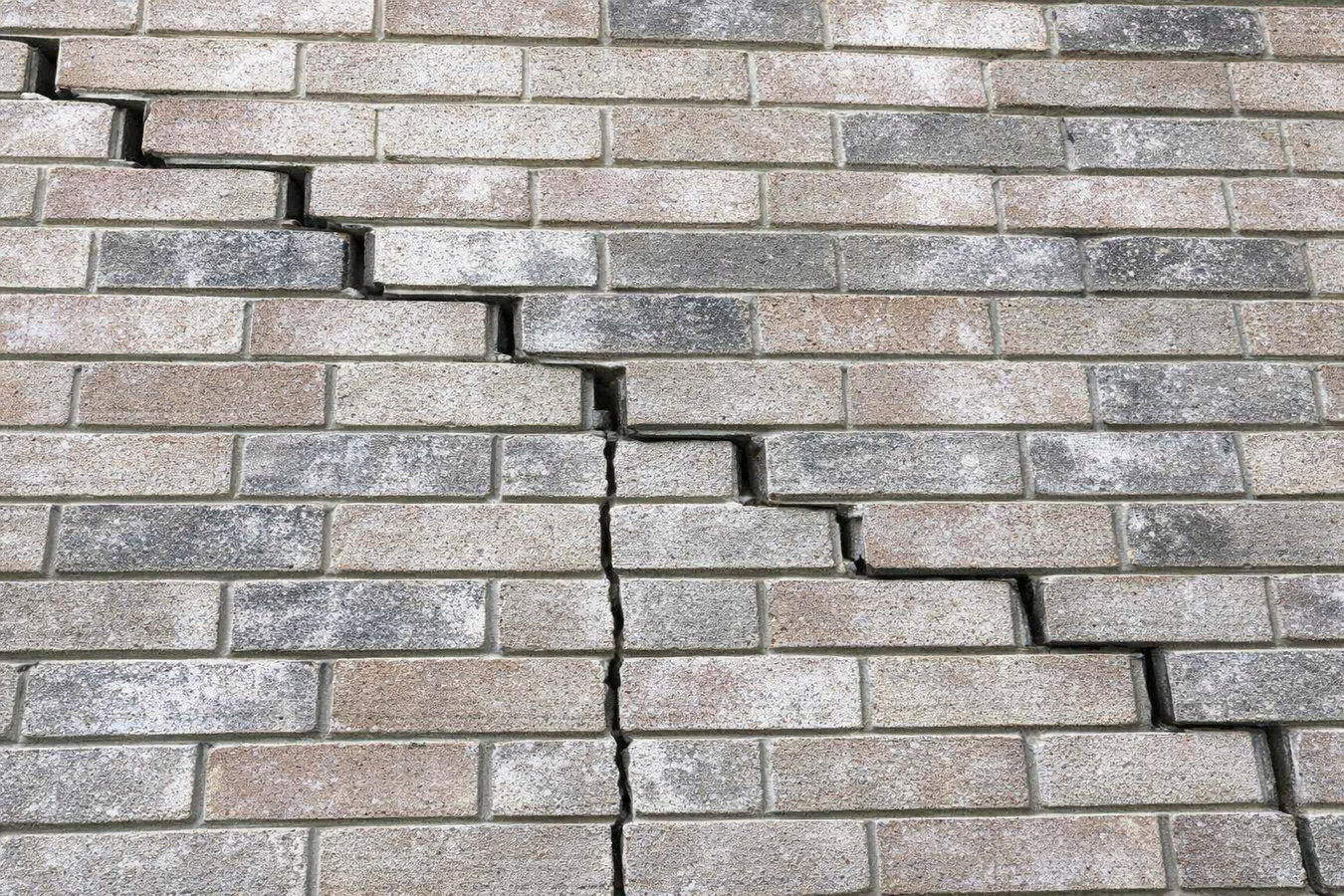
South San Francisco's postwar housing stock - most of it built between the late 1940s and early 1970s - was not designed to today's seismic standards, and decades of wet winters on clay-heavy Peninsula soils have taken a toll on original foundations throughout the city. If your doors stick after a rainy season or your floors feel slightly off-level, those are early signs worth checking before the next wet season turns a manageable issue into a major job. Our foundation repair team works on both slab and raised foundations throughout SSF.
The hillside neighborhoods in western South San Francisco sit on terrain that sheds water fast during heavy rain - and older retaining walls built in the 1950s and 1960s were not engineered with today's drainage expectations in mind. Soil washing onto driveways and lower patios after storms is a common complaint on hillside streets here. A properly engineered replacement wall stops that movement and, in many cases, creates usable flat yard space where there was only an eroding slope before.
South San Francisco homes in the denser flatland neighborhoods often have minimal yard separation, and wood fencing installed in the 1960s and 1970s has long since rotted out in the city's persistently damp coastal air. A reinforced concrete block wall is a permanent boundary that holds up to the marine moisture, reduces noise from nearby streets and industrial corridors, and requires no repainting or replacement on the cycle that wood fencing demands.
Many of the original concrete driveways on South San Francisco properties from the postwar era are cracked, sunken at the apron, and show the seasonal movement of clay soils underneath. On small lots where the driveway is one of the most prominent exterior features, replacing it with properly bedded pavers improves curb appeal and handles future soil movement without the full-surface cracking that solid concrete is prone to on Peninsula clay.
Brick chimneys, entry pillars, and garden walls on South San Francisco homes from the 1950s and 1960s have been exposed to the city's coastal fog for 60 to 70 years, and the original lime-based mortar from that era breaks down gradually under persistent moisture. White efflorescence streaks on brick faces and crumbly mortar joints are both signs that water is already finding its way in - catching this before another wet season prevents damage from moving behind the masonry surface and into wall framing.
Settled concrete walkways with raised edges and trip hazards are a safety issue common on South San Francisco properties of this age, where the original concrete paths were poured thin and on soils that have been shifting for decades. Replacing broken paths with bedded stone or paver walkways solves the safety problem and improves drainage - properly spaced pavers let water move through the joints rather than pooling on a sealed surface that has nowhere to send runoff.
South San Francisco built most of its residential neighborhoods in the decade after World War II. These homes - typically single-family stucco houses with attached garages and concrete driveways - are now 55 to 80 years old. Original foundations, retaining walls, and concrete flatwork from that era were built to standards from a different time, before current seismic codes and before the Bay Area's clay soil behavior was well understood by contractors. The result is a housing stock where virtually every property has masonry elements at or past the end of their original designed life. A masonry contractor working in South San Francisco needs to understand that context - not just show up and patch what is visible on the surface.
The city also occupies two distinct terrain zones that create very different demands. The flatland neighborhoods near downtown and El Camino Real deal with tight lot spacing, old concrete driveways, and drainage systems that were not designed for current storm volumes. The hillside streets climbing toward San Bruno Mountain face erosion, retaining wall failures, and foundation movement caused by slopes that shed water fast during the concentrated rainy season running from November through March. The city sits in the coastal fog corridor of the Peninsula, which keeps humidity elevated even in summer - so masonry joints and stucco finishes that are not well maintained deteriorate faster here than in drier inland cities.
Our crew works throughout South San Francisco regularly, and we understand the local conditions that affect masonry work here. We pull permits through the City of South San Francisco for structural work, and our project timelines account for the wet season that makes concrete and mortar work harder to schedule reliably from November through April. The housing here splits cleanly into two types that require different approaches: flatland properties near downtown and Grand Avenue have tight lot spacing and older driveways where drainage rethinking is essential during any replacement, while the hillside streets above Chestnut Avenue face soil movement and erosion that require engineered solutions, not just surface-level repairs.
South San Francisco is a compact city - about 9 square miles - but the topography changes noticeably as you move from the flatlands near the Caltrain station up toward the hillside streets below San Bruno Mountain State and County Park. We are familiar with both zones and know what each type of property requires. We also serve homeowners in nearby San Bruno, where the housing stock and soil conditions are similar, so our crews are not starting fresh every time they cross a city line.
We also serve homeowners in Daly City, directly north of South San Francisco, where the postwar stucco tract homes and coastal fog conditions are nearly identical to what we work on throughout SSF. Our crews travel between these cities regularly and understand how conditions change across the northern Peninsula.
We reply to all South San Francisco inquiries within one business day. When you reach out, tell us what you are seeing - cracks, sticking doors, a retaining wall that is leaning - so we can come prepared with the right tools and know what to look for.
We walk your property, inspect the affected area, and give you a written estimate that explains what work is needed and why - including whether a permit is required. No quote is given without an in-person look, because conditions on South San Francisco hillside and flatland lots vary too much for phone estimates to be reliable.
For structural jobs, we handle the permit application with the City of South San Francisco - this typically adds one to two weeks before work begins but ensures the work is inspected and meets city standards. We schedule around the wet season when possible and give you a realistic start date before you sign anything.
Most South San Francisco jobs take one to four days depending on scope. We walk you through the finished work before we leave, explain what was done, and hand over any warranty documentation in writing. The site is cleaned before the crew departs.
We serve homeowners throughout South San Francisco - from the hillside streets near San Bruno Mountain to the flatland neighborhoods near Grand Avenue. No obligation, no pressure.
(650) 865-1809South San Francisco is a compact, dense city of about 67,000 people packed into roughly 9 square miles on the northern end of San Mateo County. It is known worldwide as "The Industrial City" - a nickname carried by the white letters set into the hillside above town since 1923 - and its identity has always been shaped by work: first meatpacking and steel, and today the global biotech industry centered on Genentech, whose headquarters anchor the city's eastern side along the Bay. The residential neighborhoods are mostly postwar single-family homes - small lots, stucco exteriors, and attached garages - built for the workers who came here when the city was still growing. Many families have lived in the same house for two or three generations, and long-term homeownership is common throughout the city.
The city splits geographically between its flat western commercial corridors along El Camino Real and the hillside residential streets that climb toward San Bruno Mountain State and County Park to the west. Neighborhoods like Sign Hill and the upper residential blocks have views of the Bay but also deal with the sloped lot challenges - drainage, retaining walls, and erosion - that flat-lot homeowners do not face. South San Francisco is bordered by San Bruno to the south and Daly City to the north, with similar postwar housing stock in both neighboring cities.
Restore your foundation's stability and prevent further structural damage.
Learn MoreBuild strong retaining walls that hold soil and elevate your landscape.
Learn MoreBring aging brick and stone structures back to their original condition.
Learn MoreAdd warmth and character to your home with a custom masonry fireplace.
Learn MoreTransform any surface with beautiful, long-lasting natural or manufactured stone.
Learn MoreConstruct durable concrete block walls for privacy, security, and structure.
Learn MoreInstall solid foundation block walls that support your property for decades.
Learn MoreCreate the outdoor kitchen of your dreams with expert masonry craftsmanship.
Learn MoreDesign and build safe, attractive walkways using brick, stone, or pavers.
Learn MoreAdd classic brick walls that deliver lasting beauty and structural value.
Learn MoreCall us today or submit the form above - we reply within one business day and serve the entire South San Francisco area, from the hillside neighborhoods to the flatlands near downtown.